Iron Deficiency and Anemia During Pregnancy: Why Researchers Are Paying More Attention
Why Is Iron So Important During Pregnancy?
Pregnancy places extraordinary demands on the body. One nutrient that becomes particularly important during this time is iron.
Iron helps your body produce hemoglobin, a protein in red blood cells responsible for carrying oxygen. During pregnancy, your blood volume increases to support both your body and your growing baby. That means your need for iron increases too.
ACOG notes that pregnant people need approximately 27 milligrams of iron per day, compared with 18 milligrams when not pregnant.
When the body does not have enough iron to meet these increased demands, iron deficiency can develop. If the deficiency becomes significant enough to affect healthy red blood cell production, it can contribute to iron deficiency anemia.
What Is Iron Deficiency Anemia During Pregnancy?
Anemia means the blood does not have enough healthy red blood cells or hemoglobin to adequately carry oxygen throughout the body.
There are multiple causes of anemia, but ACOG identifies iron deficiency and acute blood loss as the two most common causes during pregnancy and the postpartum period.
Iron deficiency can develop gradually, which means symptoms are sometimes mistaken for ordinary pregnancy fatigue.
Signs of Iron Deficiency and Anemia
Symptoms can vary depending on severity. Possible signs include:
- Unusual or excessive fatigue
- Weakness
- Dizziness or lightheadedness
- Headaches
- Shortness of breath
- Rapid heartbeat
- Pale skin
- Difficulty concentrating
Some people have few noticeable symptoms, which is one reason prenatal blood testing is important.
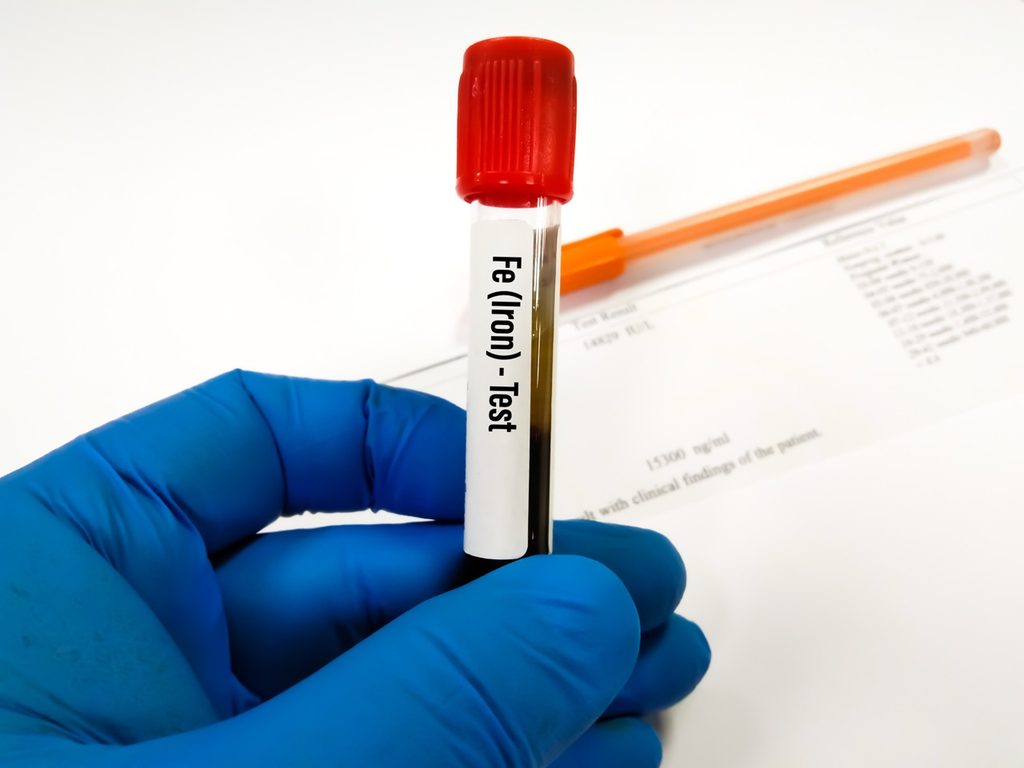
A complete blood count, or CBC, is routinely performed early in pregnancy and can identify signs of anemia.
Why Are Researchers Paying More Attention to Pregnancy Anemia?
Iron deficiency anemia remains the most common cause of anemia during pregnancy, and researchers continue to examine how identifying and treating iron deficiency can improve maternal and fetal outcomes.
Pregnancy requires enough iron to support increased maternal blood production as well as fetal and placental development. When iron stores are already low before pregnancy, those increased demands can make deficiency more likely.
That makes nutrition and prenatal screening important parts of pregnancy wellness and birth preparation.
How Can You Get More Iron During Pregnancy?
Food is an excellent place to start.
Iron-rich foods include:
- Lean beef and turkey
- Beans
- Lentils
- Iron-fortified cereals
- Leafy green vegetables
- Certain seafood choices appropriate for pregnancy
Vitamin C can help your body absorb iron from plant foods. Pairing iron-rich foods with strawberries, oranges, peppers, broccoli, or other vitamin C sources can help support absorption.
Most prenatal vitamins also contain iron.
However, more is not always better. Don’t begin high-dose iron supplementation without discussing it with your healthcare provider.
What If a Prenatal Vitamin Isn’t Enough?
If testing shows that you are anemic, your provider may recommend additional iron supplementation.
The appropriate treatment depends on your laboratory results, symptoms, medical history, and the cause of your anemia.
Iron supplements can sometimes cause constipation, nausea, or stomach discomfort. If side effects are making supplementation difficult, tell your provider rather than simply stopping it. Your care team may be able to adjust the type, dose, or approach.
Don’t Ignore Severe Fatigue During Pregnancy
Pregnancy can certainly make you tired, particularly during the first and third trimesters. But feeling exhausted does not automatically mean that you simply need more sleep.
Persistent fatigue, weakness, dizziness, shortness of breath, or other concerning symptoms deserve a conversation with your healthcare provider.
For more ways to support yourself throughout pregnancy, explore our related articles on pregnancy nutrition, hydration for expecting mothers, and managing pregnancy discomfort naturally.
Supporting Your Body as Birth Approaches
Preparing for birth means caring for the body that will carry you through labor, delivery, and postpartum recovery.
Balanced nutrition, prenatal vitamins, appropriate testing, hydration, movement, and adequate rest all contribute to that preparation.
At Birthing to Baby, we encourage expecting families to learn about both childbirth and the everyday health decisions that can help them feel prepared throughout pregnancy and beyond.