
How to Know When to Go to the Hospital for Labor: Signs, Timing, and What to Expect
Learn when to go to the hospital for labor, which signs matter, and when to call your maternity care team.

Learn when to go to the hospital for labor, which signs matter, and when to call your maternity care team.

Conversations about mental health after birth have become more common, but emotional health concerns do not always wait until the postpartum period. Anxiety and depression can begin during pregnancy, which is why the broader term perinatal mental health is so important. Pregnancy can bring excitement and anticipation while also creating major physical, hormonal, financial, and…

Induction of labor is sometimes medically necessary, but you may also hear your provider discuss the option of induction around 39 weeks even when pregnancy is otherwise uncomplicated. That can leave expecting parents wondering: Why induce if nothing is wrong? The answer depends on your individual pregnancy, preferences, cervical readiness, medical history, and current evidence….

More people are having babies in their mid-30s and beyond, yet the phrase “advanced maternal age” can still sound alarming when it appears in a medical chart. Traditionally, the term applies when a pregnant person will be 35 or older at the expected time of delivery. It is a clinical category used to help guide…

Social media has made “colostrum harvesting” an increasingly familiar phrase for expecting parents. Also called antenatal hand expression, it involves expressing small amounts of colostrum during late pregnancy and storing it for possible use after birth. It can be helpful in selected situations, but it is not something every pregnant person needs to do. What…

Prenatal testing can provide valuable information during pregnancy, but the alphabet soup of NIPT, CVS, amniocentesis, and carrier screening can be confusing. Understanding the purpose of each test—and the difference between screening and diagnosis—can help you have more informed conversations with your healthcare provider. Screening Is Not the Same as Diagnosis A screening test estimates…

Feeling your baby move is one of the most reassuring parts of pregnancy. Those first flutters can gradually become rolls, stretches, kicks, and recognizable periods of activity. As pregnancy progresses, paying attention to your baby’s usual movement pattern can also become an important way to stay connected with how your baby is doing. When Do…

What Are Phthalates? Pregnancy often makes us look differently at the products we use every day. Suddenly, ingredient lists on cosmetics, food packaging, cleaning products, and household items may feel much more important. One group of chemicals receiving continued research attention is phthalates. Phthalates are chemicals used in numerous consumer and industrial applications. Depending on…
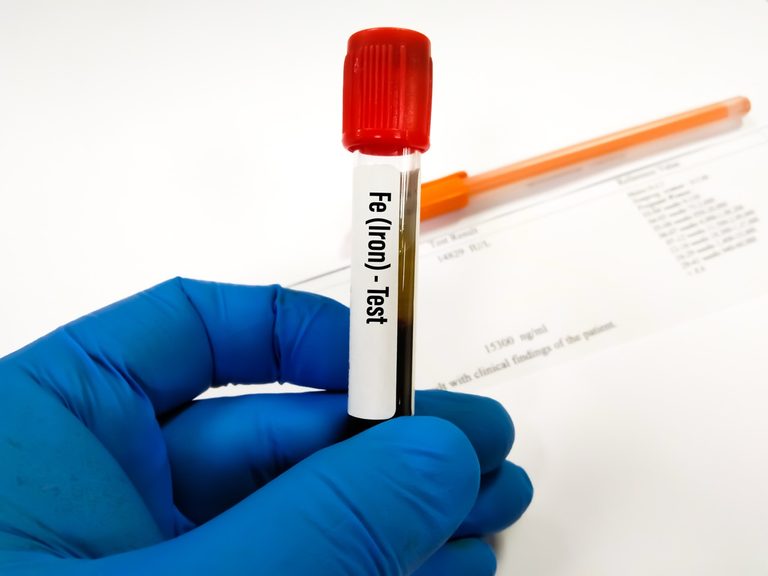
Why Is Iron So Important During Pregnancy? Pregnancy places extraordinary demands on the body. One nutrient that becomes particularly important during this time is iron. Iron helps your body produce hemoglobin, a protein in red blood cells responsible for carrying oxygen. During pregnancy, your blood volume increases to support both your body and your growing…

Respiratory syncytial virus, commonly called RSV, is a respiratory virus that often causes cold-like symptoms. While many people recover without complications, RSV can be more serious for babies, particularly during the first months of life. Young infants have smaller airways and developing immune systems, making them more vulnerable to complications such as bronchiolitis and pneumonia….
No products in the cart.
 Call Now! (248) 514-4936