RSV Vaccination During Pregnancy: How It May Help Protect Your Newborn
Respiratory syncytial virus, commonly called RSV, is a respiratory virus that often causes cold-like symptoms. While many people recover without complications, RSV can be more serious for babies, particularly during the first months of life.
Young infants have smaller airways and developing immune systems, making them more vulnerable to complications such as bronchiolitis and pneumonia. This is why preventing severe RSV illness has become an increasingly important part of conversations between expecting parents and prenatal care providers.
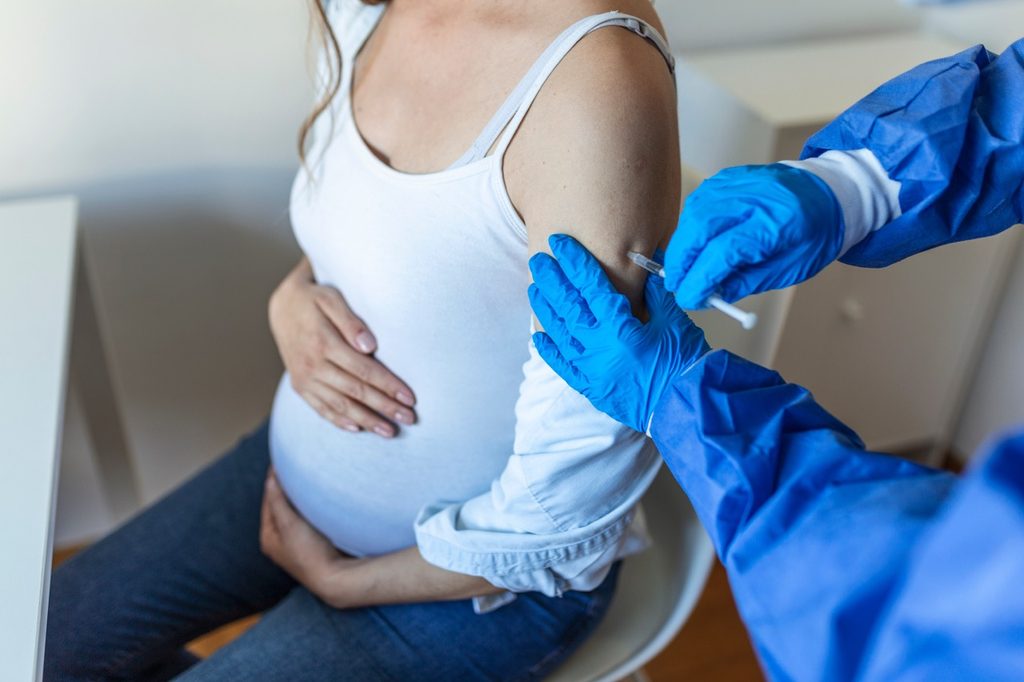
One option is maternal RSV vaccination during pregnancy, which is designed to provide protection to the baby before birth.
How Does the RSV Vaccine During Pregnancy Protect Baby?
Vaccination during pregnancy takes advantage of a natural process that is already occurring between parent and baby.
After vaccination, the pregnant parent’s immune system produces antibodies against RSV. Some of these antibodies cross the placenta and reach the baby before birth. The newborn then enters the world with temporary protection against RSV during an especially vulnerable period.
Current U.S. recommendations include Pfizer’s Abrysvo as the maternal RSV vaccine. ACOG’s 2026 maternal immunization schedule recommends seasonal administration during an eligible pregnancy at 32 weeks 0 days through 36 weeks 6 days of gestation.
When Is the RSV Vaccine Given During Pregnancy?
Timing matters.
CDC guidance recommends maternal RSV vaccination during weeks 32 through 36 of pregnancy. In most of the continental United States, vaccination is administered seasonally, generally from September through January. Local recommendations may differ in areas where RSV circulation follows a different seasonal pattern.
Your prenatal provider can help determine whether vaccination is appropriate based on your:
- Due date
- Current week of pregnancy
- Previous RSV vaccination history
- Location and RSV season
- Individual medical circumstances
This is also a good opportunity to discuss other recommended vaccines and include immunization questions as part of your overall birth preparation plan.
How Effective Is Maternal RSV Vaccination?
Clinical trial data reviewed by CDC found maternal vaccination reduced RSV-related hospitalization and severe RSV disease in infants during their first six months.
Ongoing monitoring is important with any newer vaccination strategy. CDC safety surveillance has continued to evaluate maternal RSV vaccination, including pregnancy outcomes. Current monitoring has not found an increased risk of preterm birth, small-for-gestational-age birth, or stillbirth, although researchers continue to monitor possible associations with hypertensive disorders of pregnancy.
Expecting parents should discuss individual benefits and risks with their healthcare provider.
Maternal RSV Vaccine vs. Infant RSV Antibodies
Another option for protecting babies is an RSV monoclonal antibody given directly to the infant.
For most babies, parents do not need to use both approaches. CDC recommends either maternal RSV vaccination during pregnancy or an infant RSV antibody, with certain exceptions based on individual circumstances.
This gives families and providers options for creating an RSV prevention strategy that fits the pregnancy and baby’s expected birth date.
Preparing for Your Baby’s First Respiratory Virus Season
Vaccination is one part of newborn health preparation. Families can also take practical precautions after delivery, including encouraging visitors to wash their hands, limiting close contact with people who are sick, avoiding smoke exposure, and learning the signs of respiratory distress.
As you prepare for delivery, consider reading our related resources about the Golden Hour after birth, newborn care basics, and what to expect during baby’s first weeks.
Talk With Your Pregnancy Care Provider
Every pregnancy is different. RSV vaccination decisions should be made with your obstetrician, midwife, or other qualified prenatal provider.
Pregnancy education is about more than preparing for contractions and delivery. Understanding newborn health, feeding, recovery, vaccinations, and your baby’s first weeks can help you enter parenthood feeling more informed and prepared.
At Birthing to Baby, our goal is to help expecting families build that confidence before their baby arrives.